Time to install a new garage door? Here's how it works!

Time to install a new garage door? Here's how it works!
Replacing a garage door is often a bigger project than you might think – but with the right planning and support, it can be done quickly and smoothly. To find out what the process looks like in practice, we give you some tips.
The most important thing for homeowners considering replacing their door is to understand the whole process: from measuring and preparation to safe installation and follow-up checks.
A garage door is part of your home's protection and comfort. It's not just about appearance, but also safety, insulation, and long-term functionality.
From initial visit to finished garage door – how the installation works
Installing a garage door may vary slightly depending on the building and garage door model, but the process usually follows the same steps.
1. Careful measurement and selection of garage door
The first step is for someone to come out and measure and inspect the building. It's not just about the width and height of the garage door – but also about free space in the ceiling and the condition of the walls, among other things.
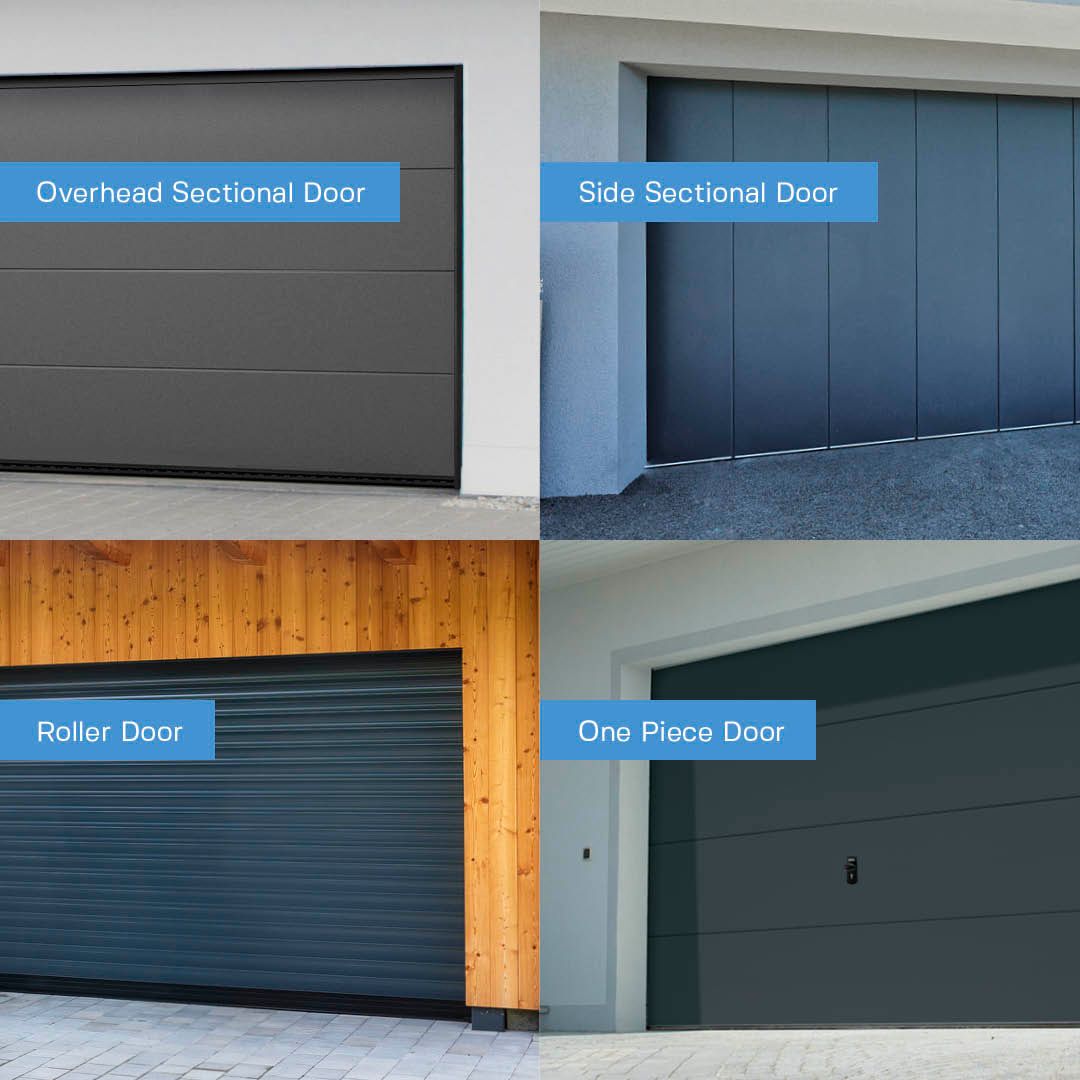
At the same time, we go through different door types, possible operators, models, surface structures, and colors to find a solution that suits both the house and its use. Read our guide “How to choose the right garage door.”
2. Quotation and planning
Once the measurements are complete, a quote is prepared specifying everything: door model, installation, removal, and any adjustments.
A clear quote lets the customer know exactly what is included—there are no surprises during the work.
3. Deinstallation of old garage door
When it's time to install the new garage door, start by taking down the old one. It might sound easy, but old garage doors are often heavy, clunky, and have heavy springs or fastenings that are hard to get off. It's important to be careful to avoid damage. Very few people want to bother throwing an old overhead door onto a cart to take it to the dump.
A tip for those who want to prepare before the installer arrives: clear the garage of items that are close to the door opening and make sure there is room to work.
4. Possible adjustments
This step varies most between different buildings. Sometimes you need to reinforce the wood or steel where the door will be attached, adjust the opening, or even recast the threshold if the surface is sloping incorrectly.
In some cases, electrical wiring is also required for motor control. It's a good idea to plan this in advance, especially if there are no outlets near the door.
5. Installation of the new garage door
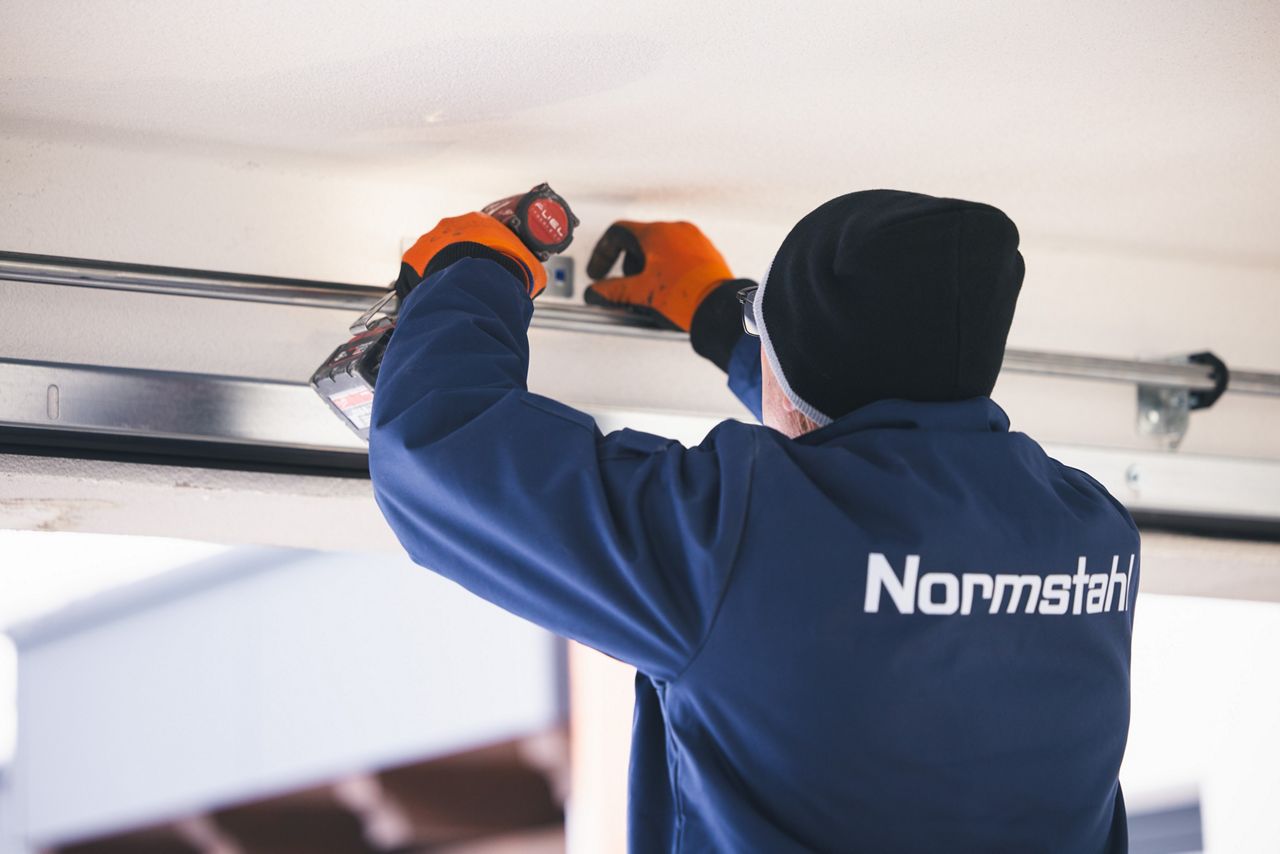
The actual installation is quick once the preparatory work has been done. The rail system is set up, the panels are installed, and any motor is connected. The installer tests that the garage door opens and closes easily, closes tightly, and that all functions work.
Afterwards, you will receive a briefing on how to maintain the door and how the remote control works.
6. Removal and final inspection
Once the garage door is in place, all packaging and the old door are taken care of.
A professional installation always ends with a functional check and documentation of the work—both for your peace of mind and for any future warranties.
The garage door should work perfectly, but also be easy to use and maintain.
Professional installation – cost and benefits
Having a professional install your garage door is not a requirement, but it is often a wise investment. Proper installation reduces the risk of future problems and ensures that safety requirements are met. Incorrectly installed garage doors can be dangerous and shorten the life of the garage door and operator.